Costa Blanca · Costa del Sol
Properties for Sale
Whether you're looking for a sun-drenched apartment by the beach or a spacious villa with a private pool — a family team guiding international buyers across Spain.
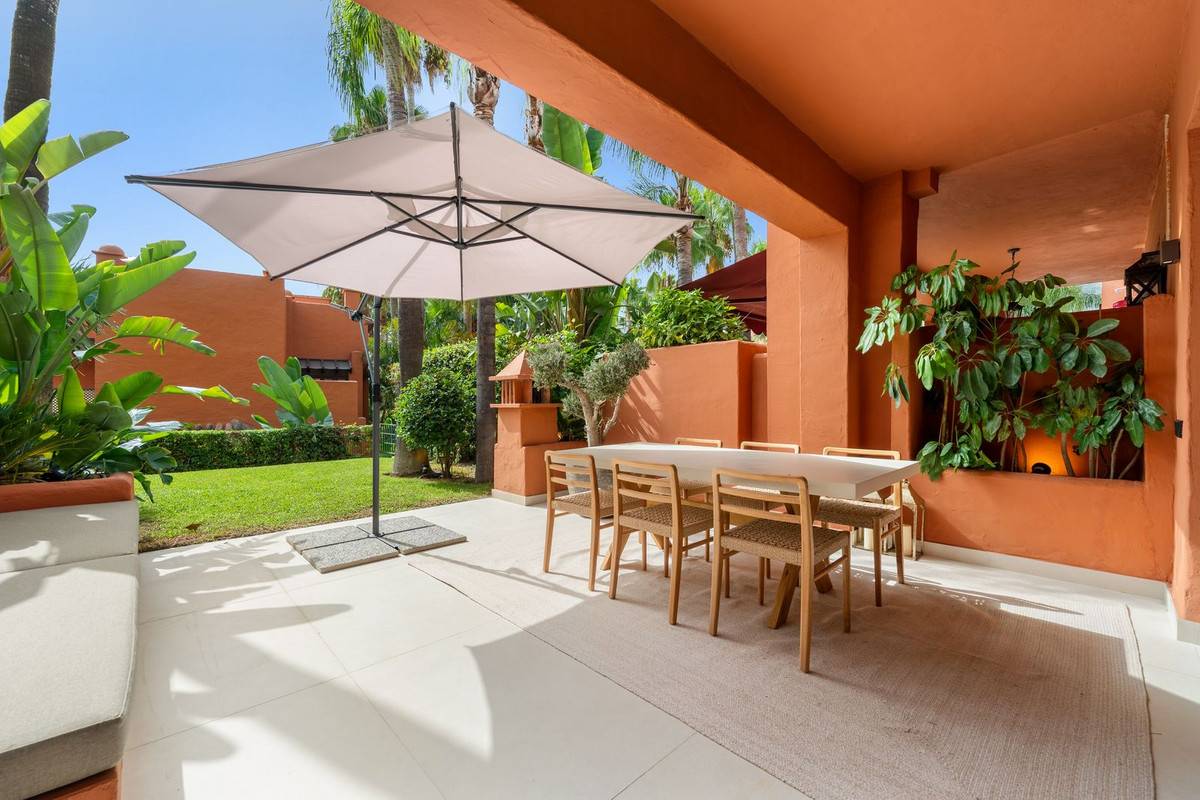
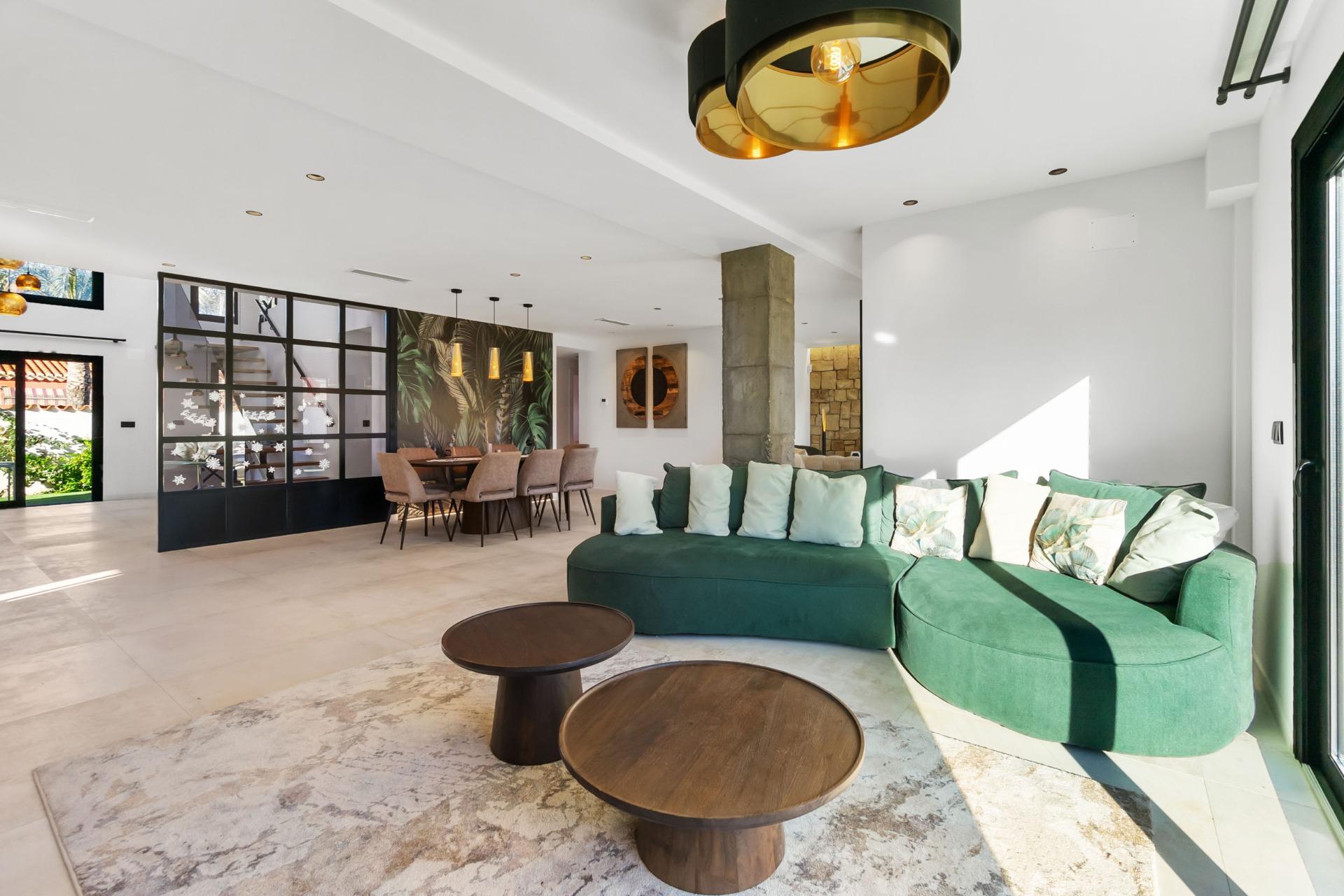
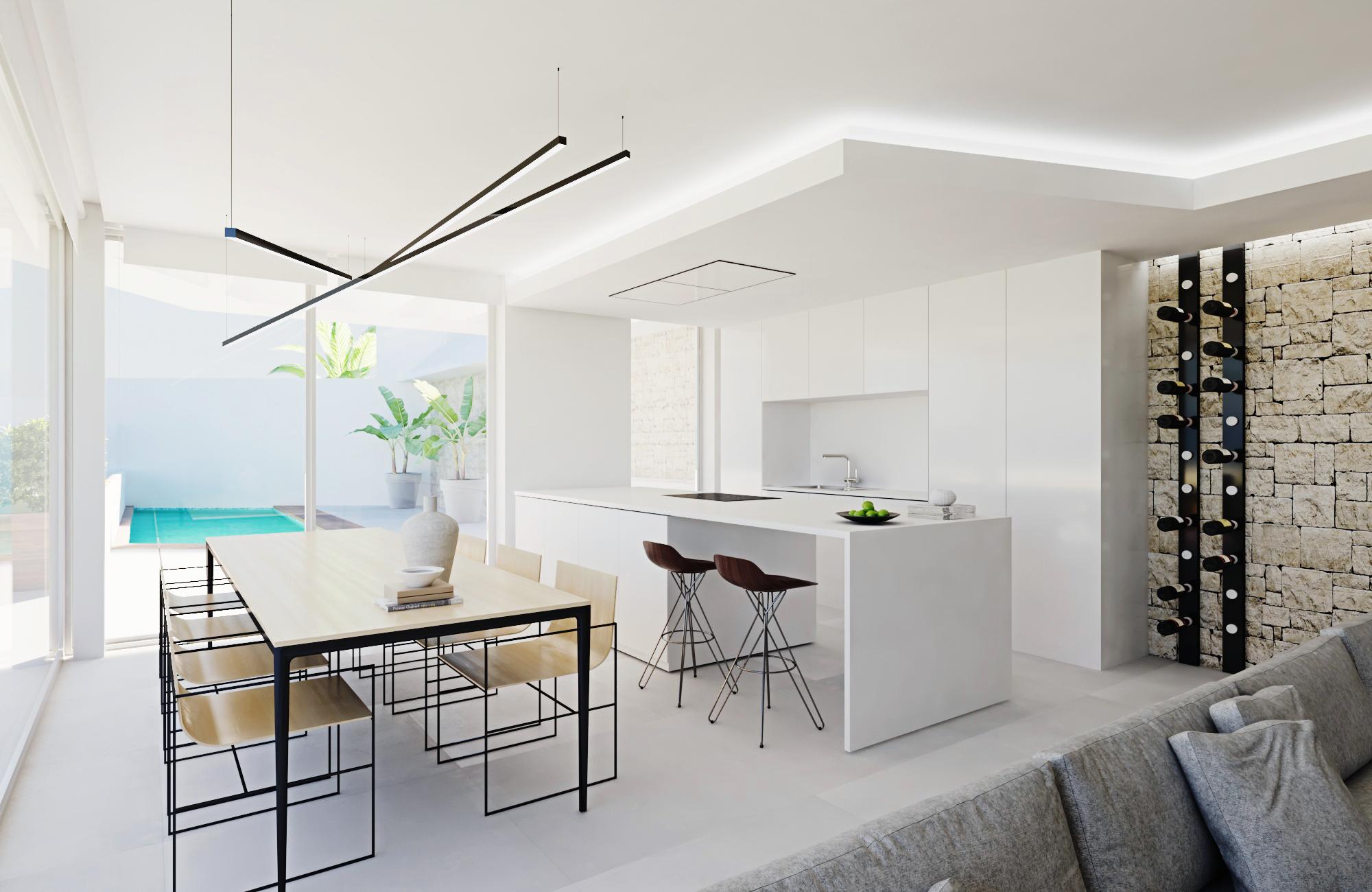
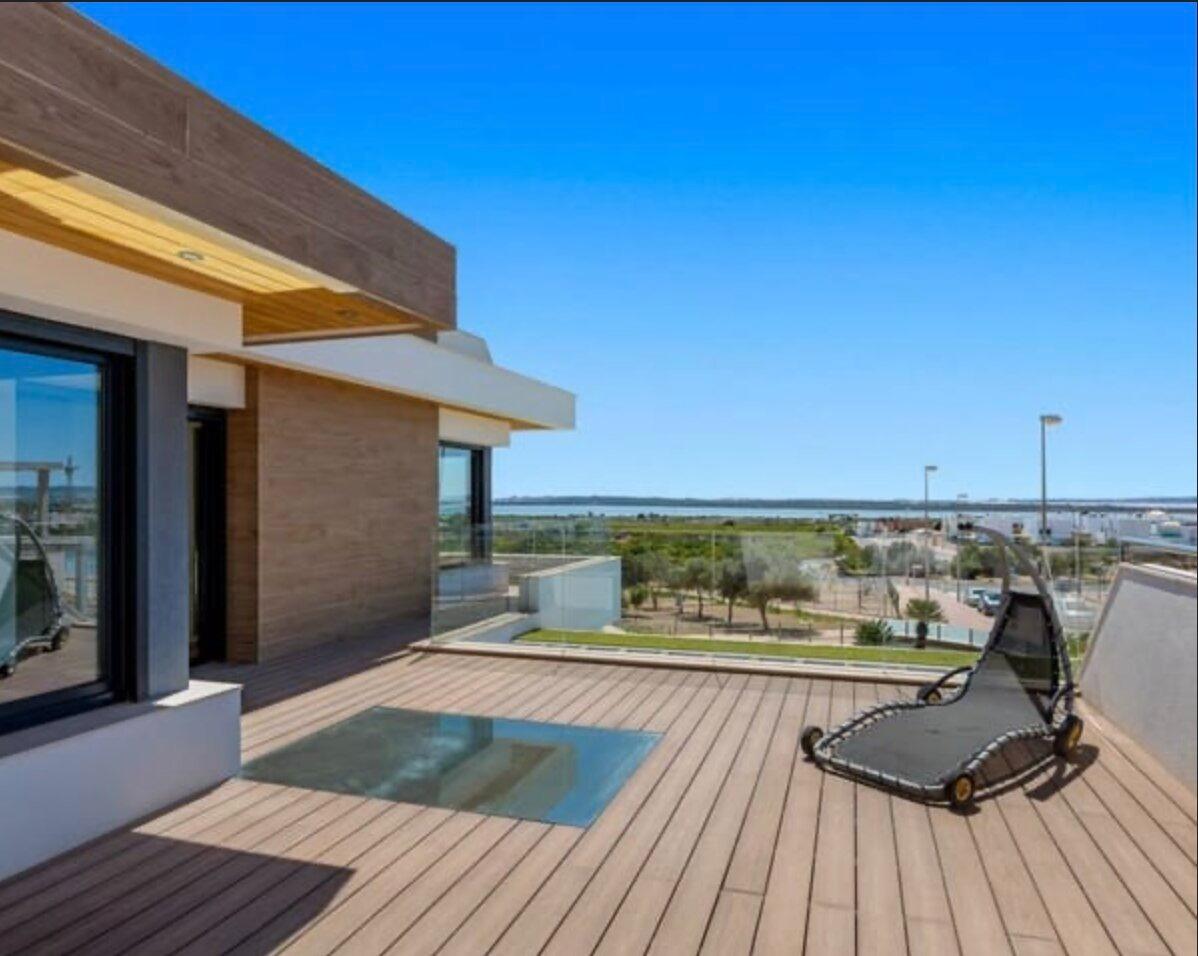

Locations
Properties by City


The Case for Buying
Why Buy on the Costa Blanca & Costa del Sol
The Costa Blanca stretches over 200 kilometres along Spain's south-eastern Mediterranean coast, from Dénia in the north to Pilar de la Horadada in the south. With more than 320 days of sunshine per year and average January temperatures of around 17 °C, it is one of the warmest and driest regions in mainland Europe. That climate is not just pleasant to live in — it underpins a tourism economy that keeps rental demand strong throughout the year, making the coast attractive to lifestyle buyers and investors alike.
Property prices on the Costa Blanca remain significantly lower than equivalent coastal locations in France, Italy or Portugal. A well-located two-bedroom apartment with a communal pool can still be found for under €150,000, while detached villas with private pools and sea views start from around €300,000. Gross rental yields of 5 to 8 percent are regularly achieved on holiday lets in popular towns such as Torrevieja, Calpe and Javéa, where occupancy rates run above 75 percent during the peak season from April to October.
The Costa del Sol, centred on Málaga province, offers a complementary market. Málaga city has emerged as one of Europe's most exciting urban destinations, with over 40 museums, a booming tech hub and property prices that have risen roughly 50 percent since 2017. Further west, Estepona's regenerated old town and Fuengirola's established Scandinavian community provide excellent mid-range value, while the Marbella–Benahavís corridor caters to the luxury end. Málaga–Costa del Sol Airport is Spain's fourth busiest, and the AVE high-speed train reaches Madrid in 2.5 hours.
Beyond value and climate, both coasts offer a quality of life that draws a growing international community. Spain's national health system is ranked among the top three in the European Union, and the Alicante and Málaga provinces both have dense networks of public hospitals and private clinics. Alicante–Elche Airport serves over 180 routes, while Málaga handles more than 200. Both coasts are home to established British, Scandinavian, German, Dutch and Belgian communities, meaning you will find English-speaking services, international schools, and familiar supermarkets alongside traditional Spanish markets and tapas bars. Whether you are looking for a permanent residence, a holiday bolt-hole or a rental investment, the combination of affordability, infrastructure, healthcare and climate makes these stretches of coast among the most compelling places to buy property in southern Europe.
At a Glance
Key Buying Facts
Financial Overview
Buying Costs at a Glance
Budget for approximately 11–14% on top of the agreed purchase price. Here is how the costs break down for resale and new-build properties.
Resale Properties
New-Build Properties
Buying Guide
How to Buy Property in Spain
A complete guide for international buyers on the Costa Blanca and Costa del Sol. From your first enquiry to collecting the keys, here is what to expect at every stage.
Get Your NIE
1–4 weeks · ~€10
The Número de Identificación de Extranjero is the tax identification number required for every financial transaction in Spain. Apply at the local Policía Nacional or at a Spanish consulate in your home country. You will need your passport, the EX-15 application form, and proof of why you need the number (e.g. a property search letter from your lawyer).
Find an Independent Lawyer
Budget 1–1.5% of purchase price
Hire your own English-speaking lawyer who specialises in Spanish conveyancing — never use the seller's lawyer. They will check the title deeds (nota simple), verify there are no outstanding debts or charges on the property, confirm planning permissions, and ensure the property is legally registered. A good lawyer is your most important safeguard.
Make an Offer & Reserve
Deposit: €3,000–6,000
Once you have found the right property, make a verbal offer through your agent. When both parties agree on the price, you sign a written reservation contract and pay a deposit of €3,000 to €6,000 (deducted from the final purchase price). The property is taken off the market immediately. This deposit is usually non-refundable unless your lawyer discovers a legal issue during due diligence.
Private Purchase Contract
Within 30–60 days · 10% deposit
Within 30 to 60 days of the reservation, both parties sign the contrato de arras(private purchase contract). You pay a 10% deposit, minus the reservation amount already paid. Your lawyer conducts full due diligence during this period. This contract is legally binding — if the buyer withdraws, the deposit is forfeited; if the seller withdraws, they must return double the deposit.
Completion at the Notary
Sign the Escritura · Keys on the day
Both buyer and seller (or their legal representatives) attend a Spanish notary to sign the Escritura (title deed). You pay the remaining balance plus all applicable taxes. The keys are handed over the same day. The notary sends the signed deed to the Land Registry (Registro de la Propiedad) for official registration. If you cannot attend in person, your lawyer can sign on your behalf using a power of attorney.
Post-Completion
1–3 months for Land Registry confirmation
The Land Registry confirms your ownership within 1 to 3 months. Your lawyer will handle the registration process and set up direct debits for utilities, community fees, and IBI (council tax). You will also need to arrange home insurance and, if applicable, register with the local town hall. Congratulations — you are now a property owner in Spain.

Featured
Villa in Jávea
Timeline Overview
6–8 Weeks Total
Popular Area
Orihuela Costa
Need help getting started?
Our multilingual team has guided hundreds of international buyers through every step of the process.
Speak to an ExpertWhatsAppCost Comparison
Buying Costs — Resale vs New Build
Costs differ depending on whether you are buying a resale property or a new-build directly from the developer. Here is a side-by-side comparison for the Valencian Community and Andalucía.
| Cost | Resale Property | New Build |
|---|---|---|
| Transfer Tax (ITP) | 10% (Valencia) / 7% (Andalucía) | N/A |
| VAT (IVA) | N/A | 10% |
| Stamp Duty (AJD) | Included in ITP | 1.5% (Valencia) / 1.2% (Andalucía) |
| Notary Fees | 0.5–1% | 0.5–1% |
| Land Registry | 0.5–1% | 0.5–1% |
| Legal Fees | 1–1.5% | 1–1.5% |
| Total | ~12–13% | ~13–14% |
Mortgages for Non-Residents
Spanish banks readily offer mortgages to non-residents. Typical loan-to-value ratios range from 60 to 70% for non-residents (compared to 80% for residents), with terms of up to 25 years. The maximum age at the end of the mortgage term is typically 75.
Documents needed:passport, NIE, proof of income (employment contract or accounts for self-employed), last 2–3 years of tax returns, and 6 months of bank statements.
Popular banks: CaixaBank, Sabadell, Santander, Bankinter.
Running Costs — What to Budget
Impuesto sobre Bienes Inmuebles
Pool, gardens, communal areas
Building + contents
Electricity, water, gas
Imputed income on cadastral value
Basura — varies by municipality
Estimate for a 2-bed apartment:€2,500–5,000 per year in total running costs (excluding mortgage payments).
This guide is maintained by our team and updated regularly. Last reviewed April 2026.
Market snapshot
Where the homes are, coast by coast
1,994 properties for sale across 3 coasts. Median asking prices and completed sales in the last 90 days, from live OceanHome data.
| Coast | For sale now | Median asking price | €/m² | Sold in the last 90 days | Largest choice |
|---|---|---|---|---|---|
| Costa del Sol | 922 (913 of which new-build) | €697,000 | €5,103 | 211 | Mijas (222), Estepona (187), Fuengirola (114), Marbella (106), Benahavís (61) |
| Costa Blanca South | 756 (583 of which new-build) | €330,000 | €3,249 | 297 | Torrevieja (224), Pilar de la Horadada (92), Guardamar del Segura (54), Rojales (53), Orihuela Costa (47) |
| Costa Blanca North | 316 (312 of which new-build) | €670,000 | €4,217 | 61 | Finestrat (80), Calpe (62), Benitachell (23), Polop (22), Villajoyosa (20) |
Common Questions
Frequently Asked Questions
The typical process starts with finding the right property and hiring a bilingual lawyer who specialises in Spanish conveyancing. You will then apply for an NIE (Número de Identificación de Extranjero) — the tax identification number required for any financial transaction in Spain. Once you have found your property, both parties sign a private purchase contract (contrato de arras) and the buyer pays a 10% deposit. The remaining balance is paid at completion, which takes place before a Spanish notary. After signing the title deed (escritura), your lawyer registers the property at the Land Registry (Registro de la Propiedad). From first viewing to key handover, the process typically takes 6 to 8 weeks.
Yes — there are no restrictions on foreign nationals purchasing property in Spain, whether you are an EU citizen or not. You will need an NIE number, which can be obtained at a Spanish consulate abroad or at a local police station in Spain, and a Spanish bank account for the transaction. Many of our buyers are British, Scandinavian, German, Dutch and Belgian nationals who purchase as non-residents and use the property as a holiday home or rental investment.
Annual costs include IBI (council tax), which ranges from around 200 to 1,200 euros per year depending on the municipality and property value. Community fees for apartments and urbanisations typically run between 50 and 200 euros per month and cover shared pool maintenance, gardens, building insurance and communal lighting. Home insurance costs between 200 and 500 euros per year. Non-resident owners also pay an annual imputed income tax: 19% for EU residents and 24% for non-EU residents, calculated on the cadastral value of the property. If you rent the property out, rental income is taxed at the same rates, though EU residents can deduct allowable expenses.
Both the Costa Blanca and Costa del Sol remain among the strongest-value coastal markets in southern Europe. On the Costa Blanca, average prices in many areas are still 20 to 30 percent below the 2007 peak, while rental demand from tourism continues to grow year-on-year — Alicante province welcomed over 4 million international visitors in 2024. The Costa del Sol has seen stronger price recovery, particularly around Málaga and Estepona, driven by digital nomad demand and urban regeneration, but still offers significantly better value than equivalent locations in France or Portugal. Gross rental yields of 5 to 8 percent are achievable on well-located holiday lets in towns like Torrevieja, Calpe and Fuengirola, making both coasts attractive to lifestyle buyers and investors.
A visit is always recommended so you can explore neighbourhoods, check the orientation and views, and get a feel for the local area. However, it is not essential. Spanish law allows you to grant power of attorney (poder notarial) to a lawyer, who can sign the purchase deed on your behalf. We regularly arrange live video viewings, send detailed photo and video reports, and guide the entire process remotely. Several of our international clients have completed purchases without setting foot in Spain until they collected the keys.

Founder & CEO
Maya founded OceanHome and has helped buyers from across Europe find their ideal property on the Costa Blanca and Costa del Sol. From first viewing to key handover, every insight in this guide is based on years of local market experience.
Get Started
Ready to find your dream home?
Our multilingual team guides international buyers across the Costa Blanca and Costa del Sol. No hidden fees, no pressure.